Australia Skills Assessment for Filipinos
A skills assessment is a formal evaluation of your qualifications, work experience, and professional credentials by an Australian assessing authority.
Australia’s Skilled Occupation List includes hundreds of occupations eligible for skilled migration, employer sponsorship, and regional visas. Popular occupations for Filipinos include nurses, teachers, engineers, IT professionals, electricians, accountants, physiotherapists, and construction trades.
Yes. Filipinos can migrate to Australia through skilled migration, employer-sponsored visas, family visas, and student pathways.
Australia continues to face a well-documented shortage of physiotherapists, driven by an aging population, rising rates of chronic disease, and expanding community and aged-care services.
Australia is still short on engineers, and that shortage is a real opportunity for engineers trained in the Philippines.
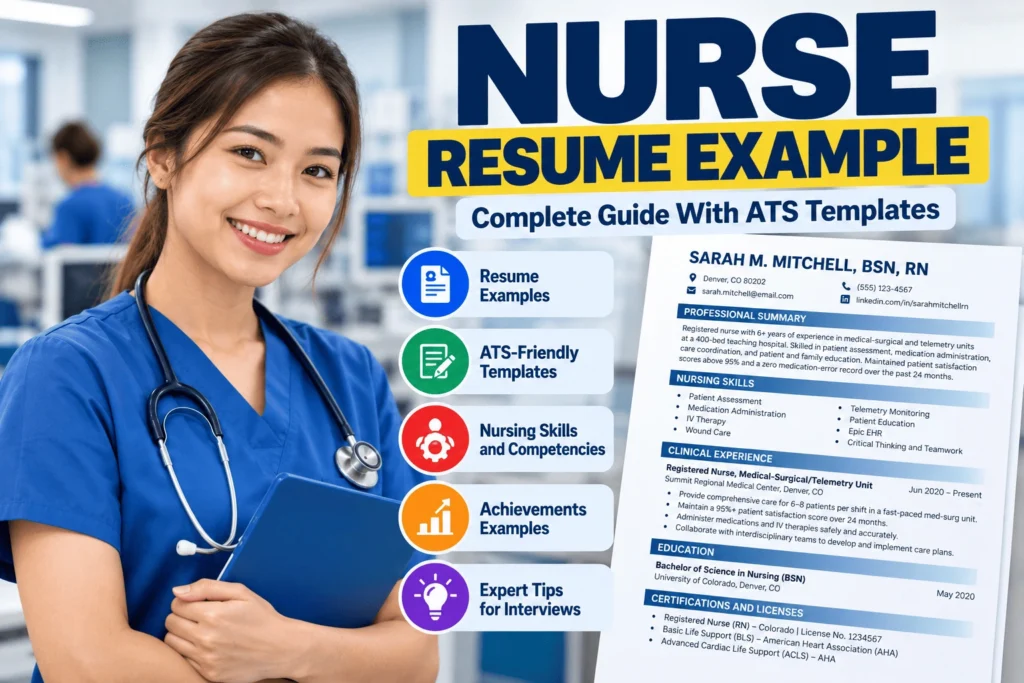
Australia continues to face significant nursing shortages across hospitals, aged care facilities, regional health services, and community healthcare settings.
Filipino teachers can work in Australia if they meet qualification requirements, complete an AITSL skills assessment, satisfy English language standards, obtain teacher registration in their target state, and secure an eligible visa pathway
Australia remains one of the most attractive destinations for Filipino professionals, thanks to its strong economy, competitive salaries, high quality of life, and consistent demand for skilled workers across nursing, engineering, IT, education, trades, and hospitality.
Getting promoted in the Department of Education is one of the clearest ways a public school teacher can raise their salary grade, unlock new responsibilities, and move a career forward without leaving the classroom.
The Teacher Career Progression System is DepEd’s framework that provides public school teachers with clear pathways for promotion based on competency, performance, and professional standards. The system includes two career tracks: the Classroom Teaching Track and the School Administration Track.
Master Teacher II is the second rank on the Master Teacher ladder, sitting directly above Master Teacher I within the Highly Proficient Teacher career stage.
What is a Master Teacher I? How much is the salary in 2026? What qualifications are required? And is it actually better than becoming a Principal?