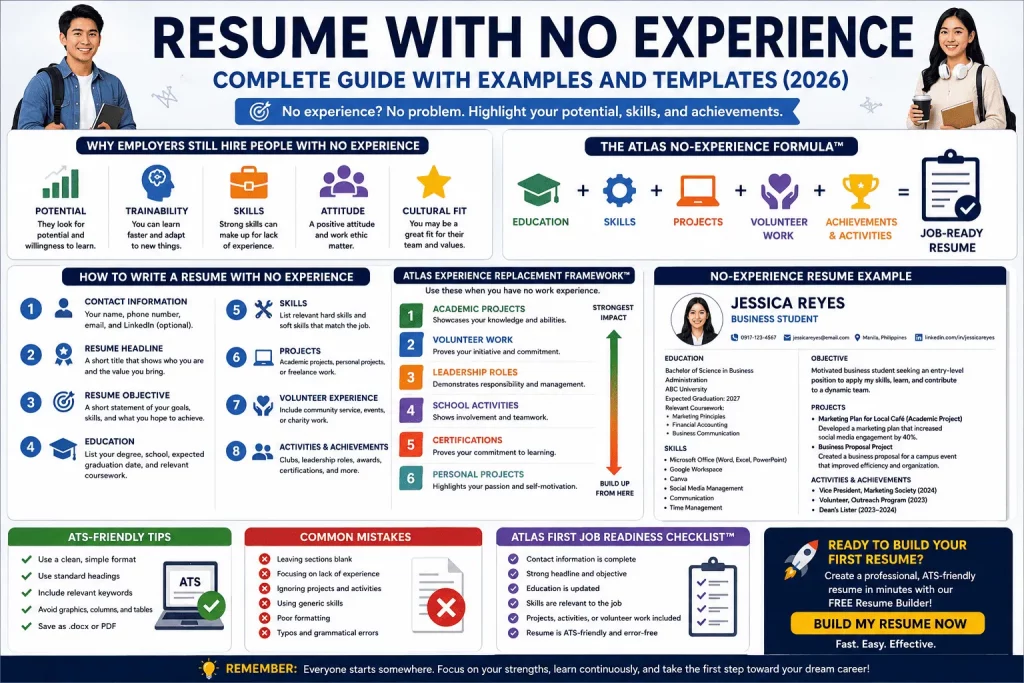
Resume With No Experience: Complete Guide With Examples and Templates
It can feel like every job posting demands experience you don’t have yet, which is a frustrating paradox for anyone trying to get started.
It can feel like every job posting demands experience you don’t have yet, which is a frustrating paradox for anyone trying to get started.
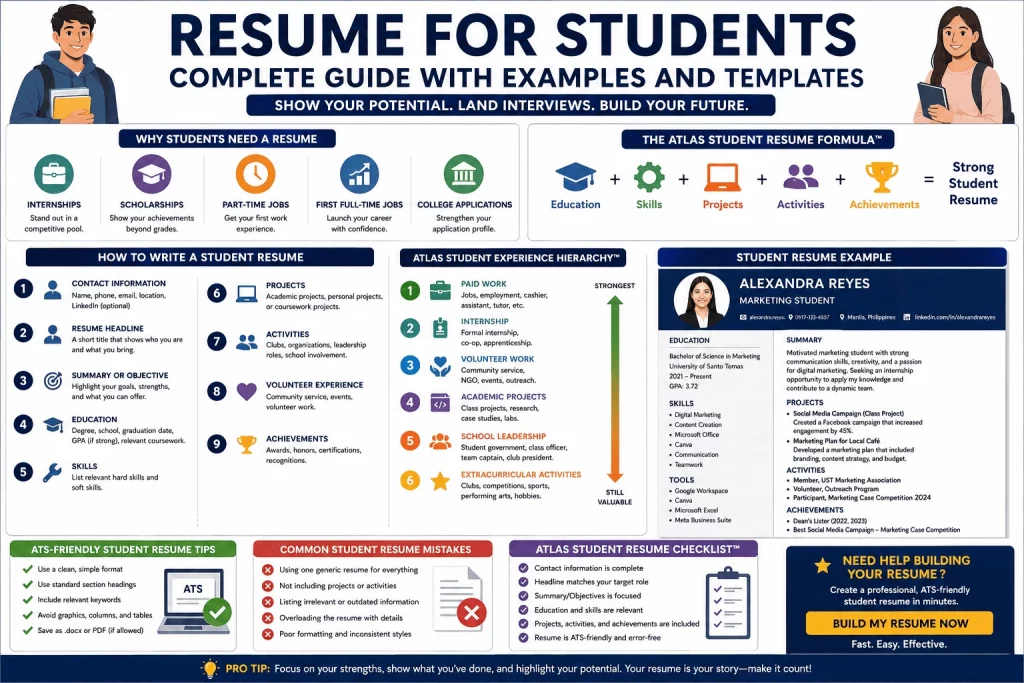
If you’re a student staring at a blank document trying to write your first resume, you’ve probably hit the same wall almost every student hits: “I don’t have any real experience — what do I even put on this?”
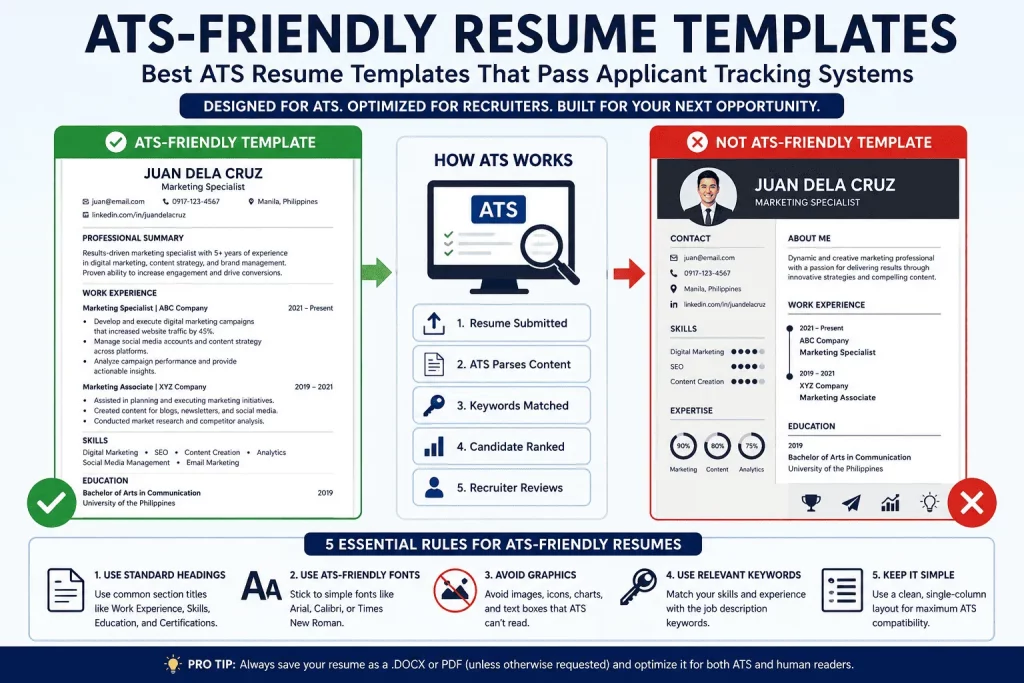
Before a hiring manager ever opens your file, it usually passes through a piece of software called an Applicant Tracking System — an ATS
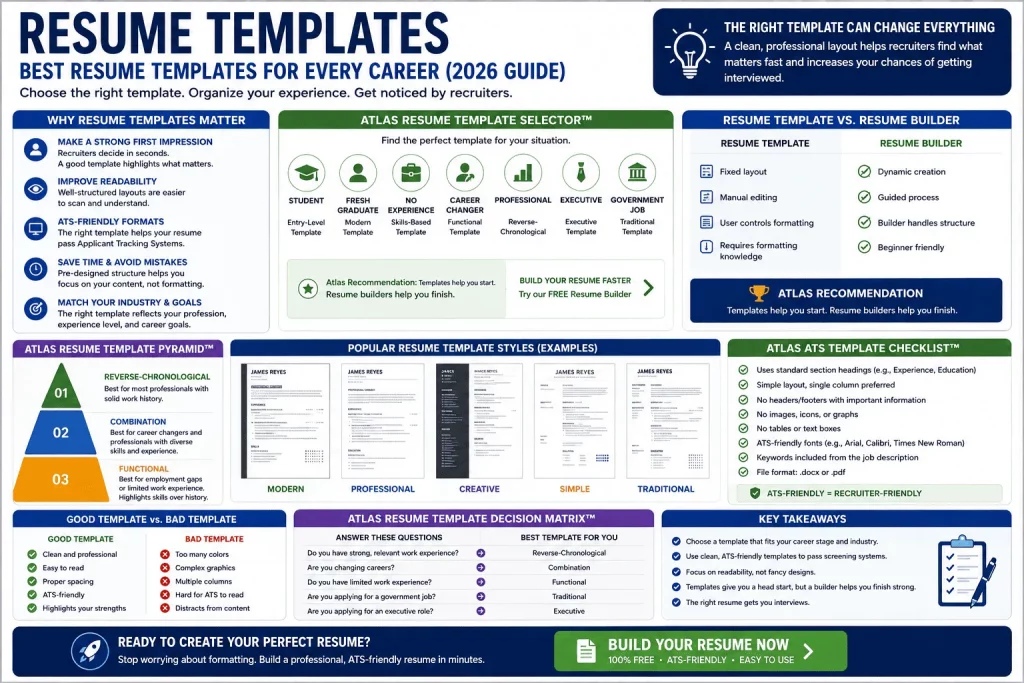
A good template enforces consistency: matching font sizes for job titles, consistent spacing between sections, and a logical flow from your most important qualifications to supporting details.
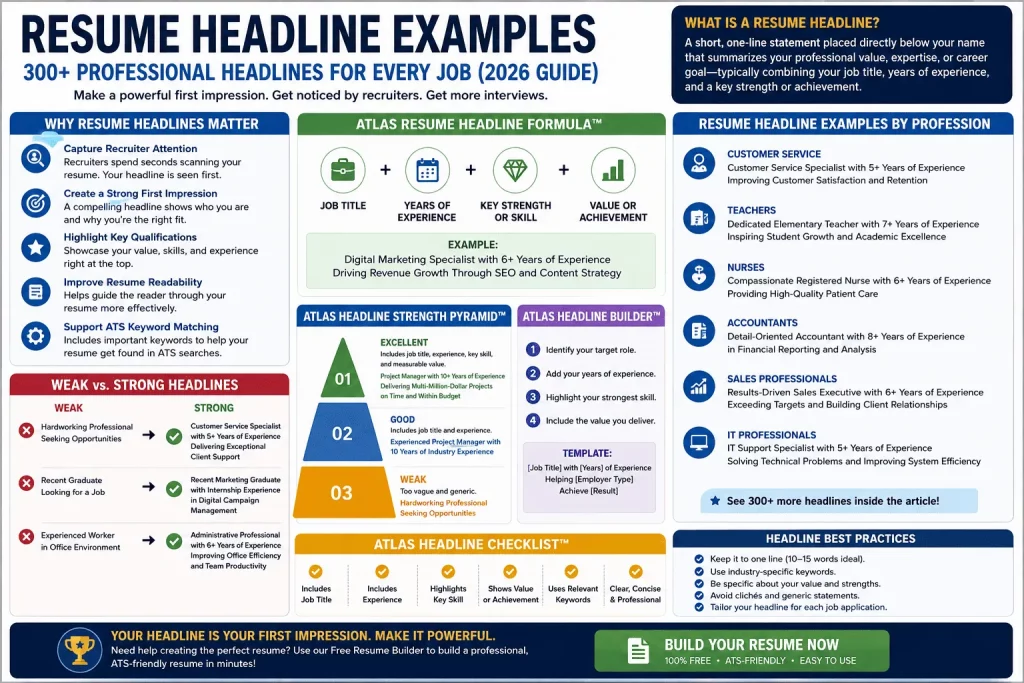
When a recruiter opens a resume, their eyes move in a predictable pattern: name, headline, then either a summary or straight into work experience.
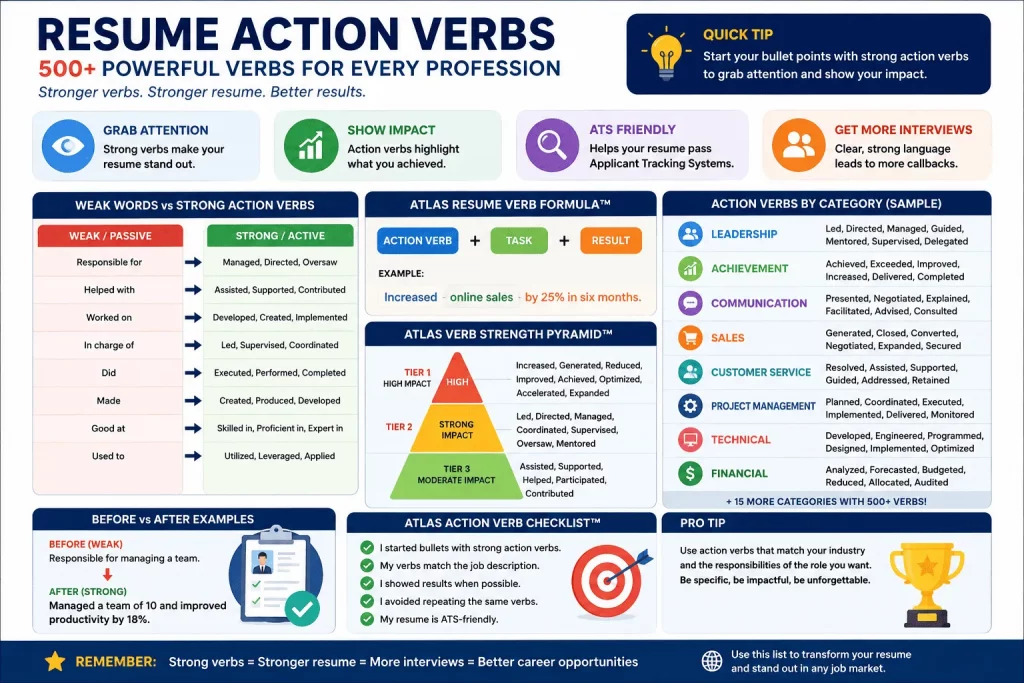
Recruiters spend an average of six to eight seconds scanning a resume before deciding whether to keep reading.
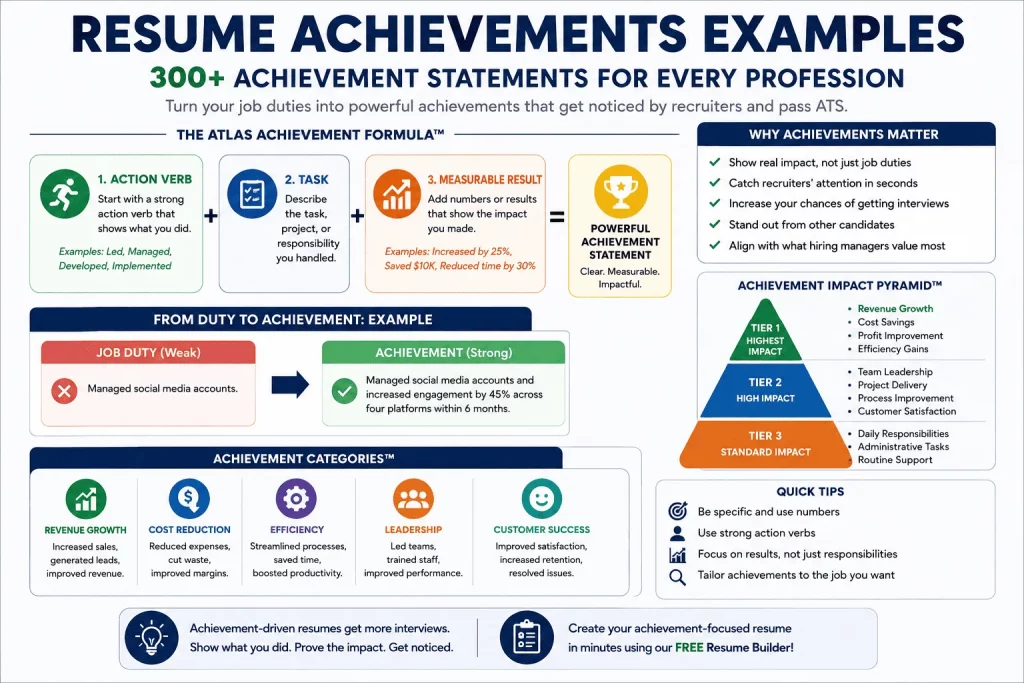
A job duty tells a recruiter what you were supposed to do. A resume achievement tells them what actually happened because you did it.
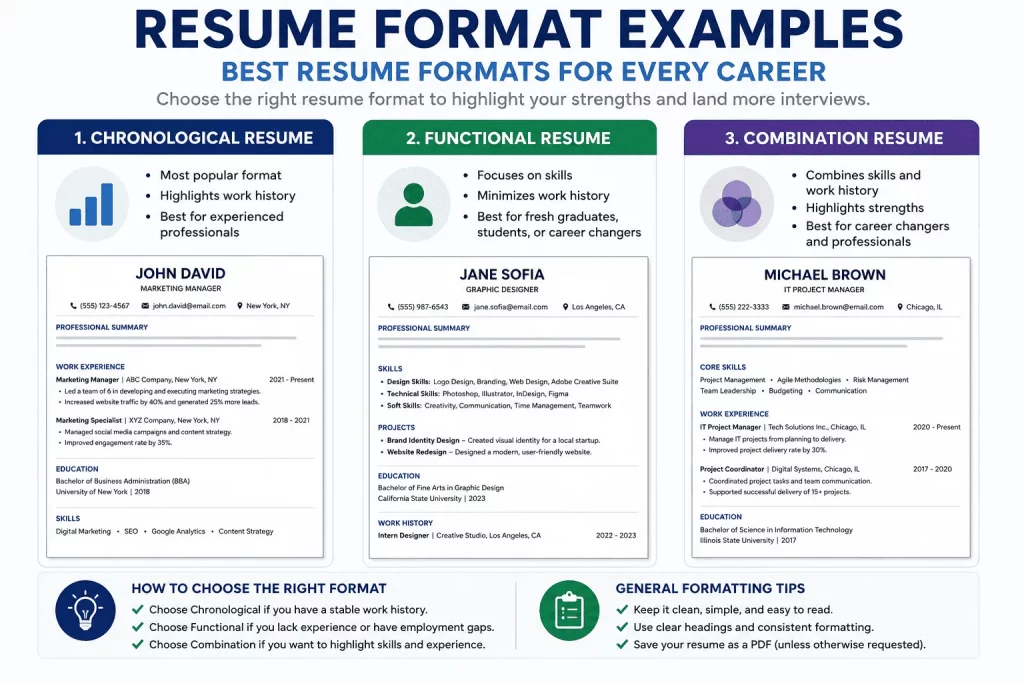
The content of your resume can be excellent and still get passed over if the format works against you.
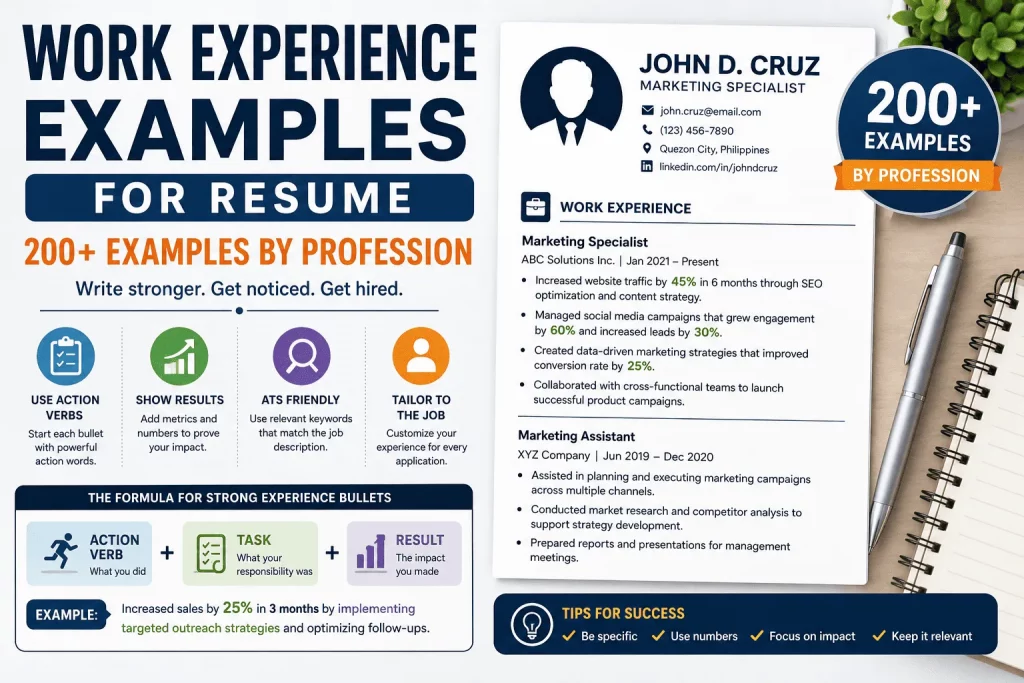
The work experience section carries more weight than any other part of the resume because it’s the closest thing to direct evidence a recruiter has before an interview.
Employers often spend only a few seconds reviewing a resume before deciding whether to keep reading, and the skills section
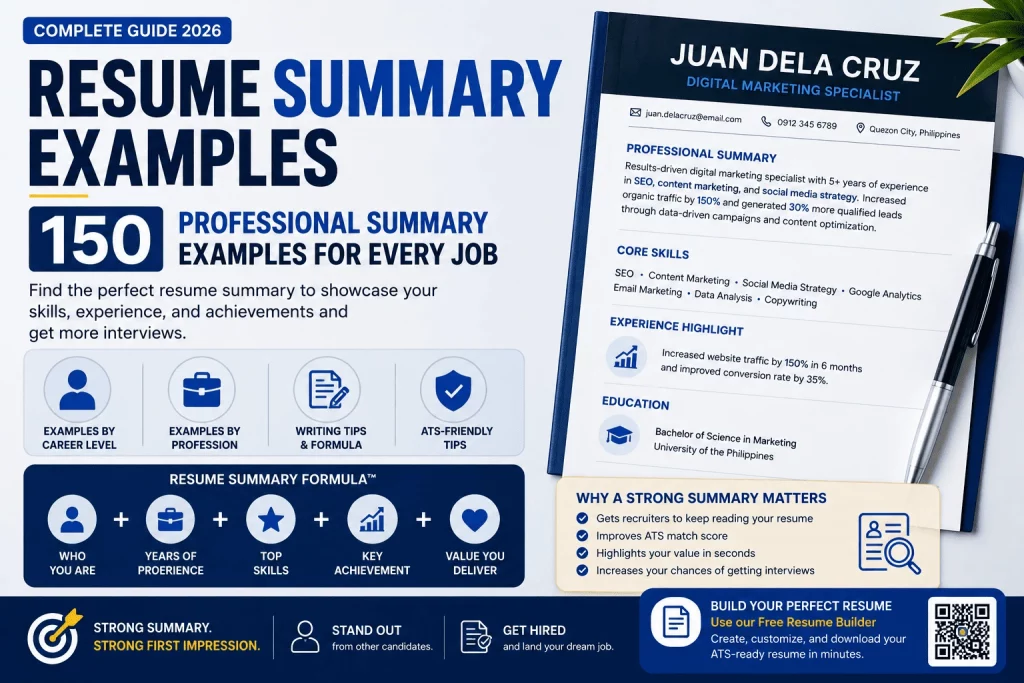
This guide breaks down exactly what a resume summary is, how it differs from a resume objective, and how to write one using a repeatable formula
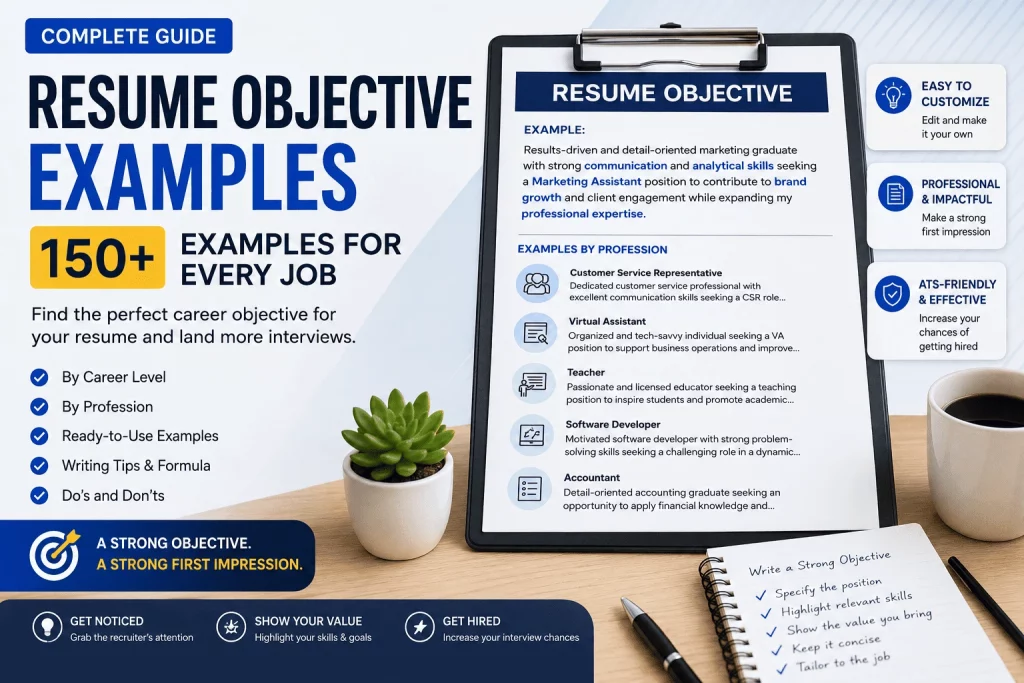
A resume objective is often the first thing a recruiter reads, and for many job seekers — especially those without years of work history to lean on — it’s the section that decides whether the rest of the resume gets a fair read.